Solutions
Integrated
services
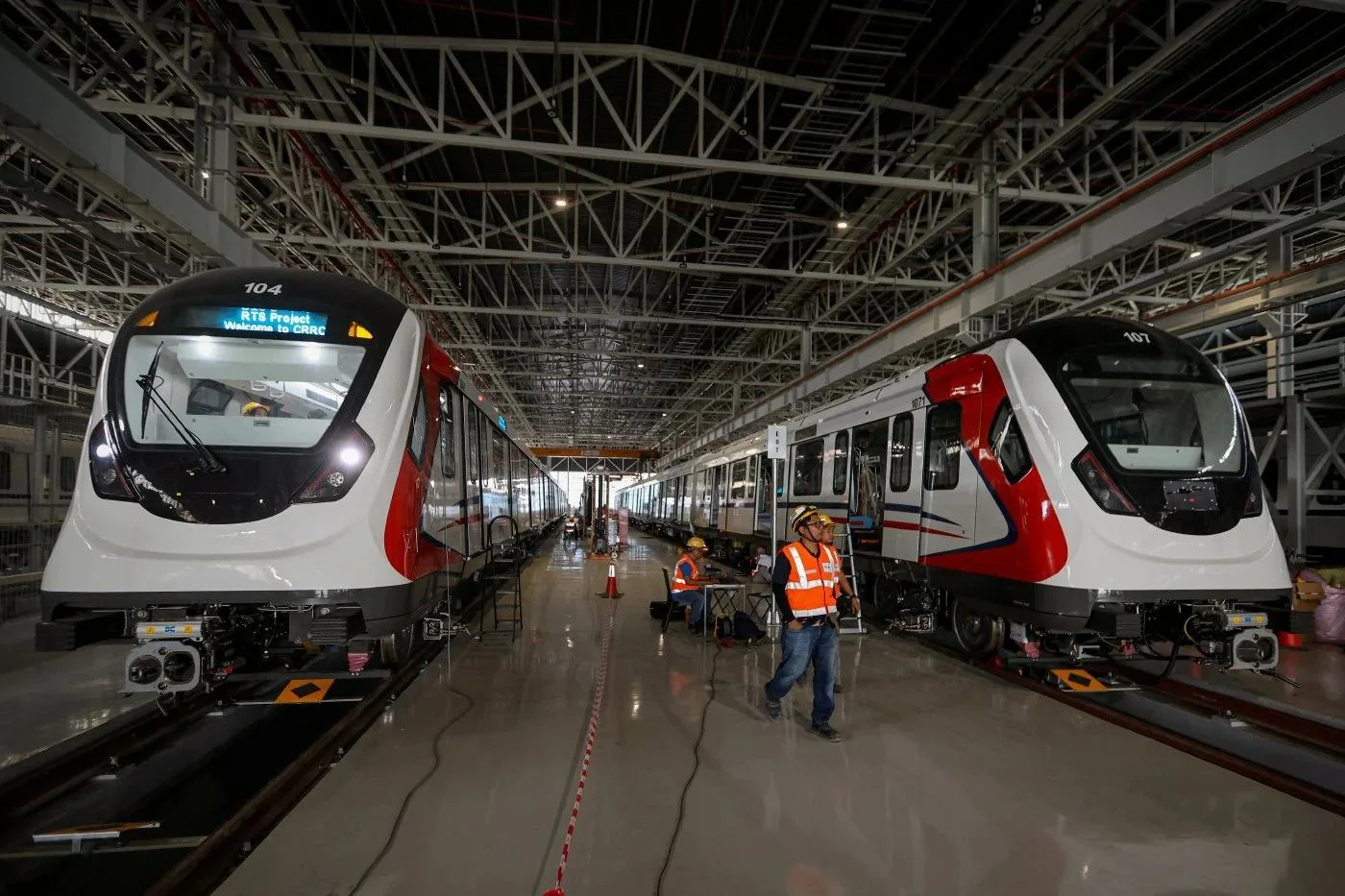
We provide integrated rolling stock services that support rail operators throughout the entire asset lifecycle.
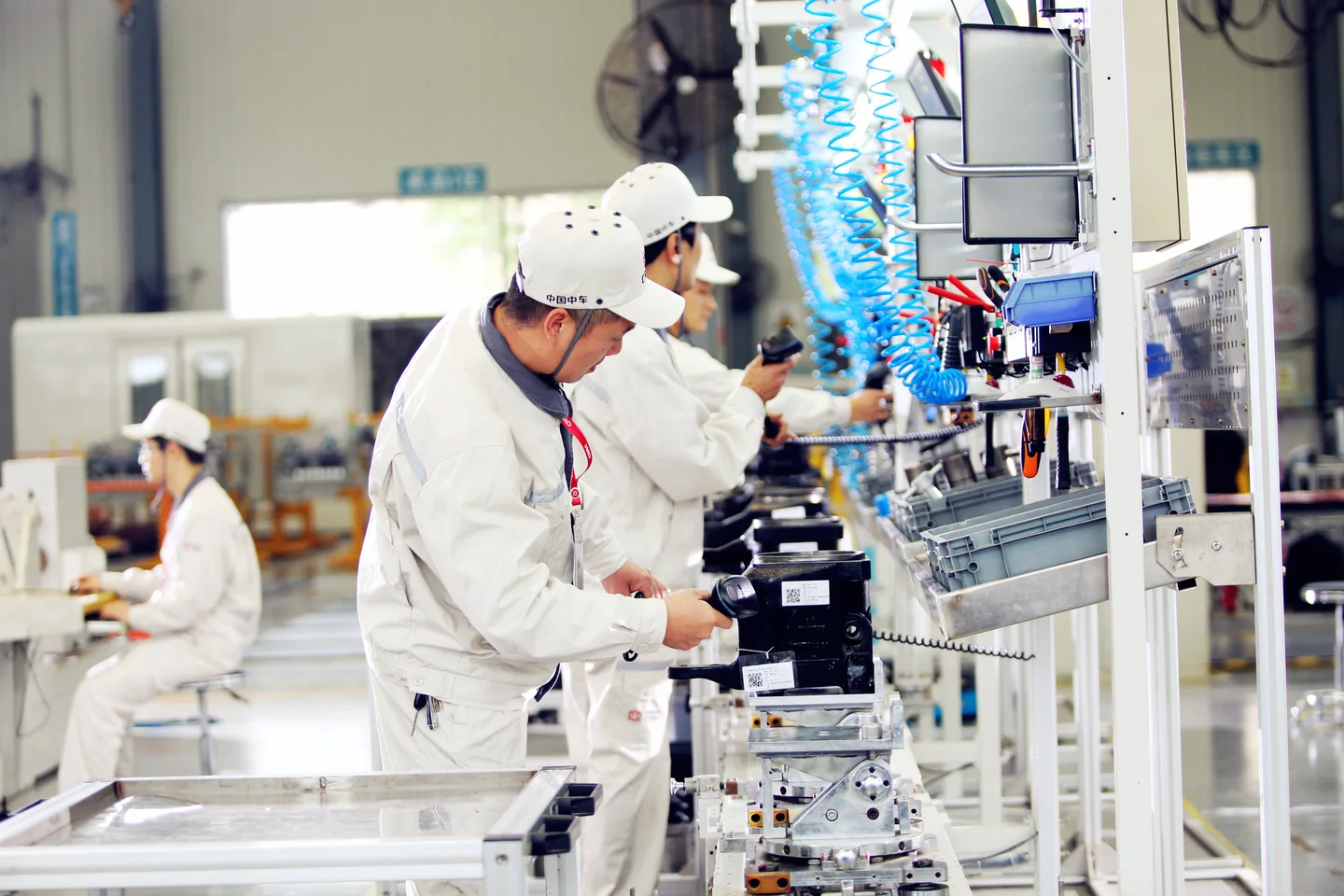
From fleet MRO to spare parts support and component recovery solutions, our services are designed to enhance fleet reliability, operational performance, and long-term asset value.
With experienced technical teams and strong industry expertise, we deliver responsive and customer-focused solutions to help operators maintain safe, reliable, and efficient fleet operations.
Fleet MRO
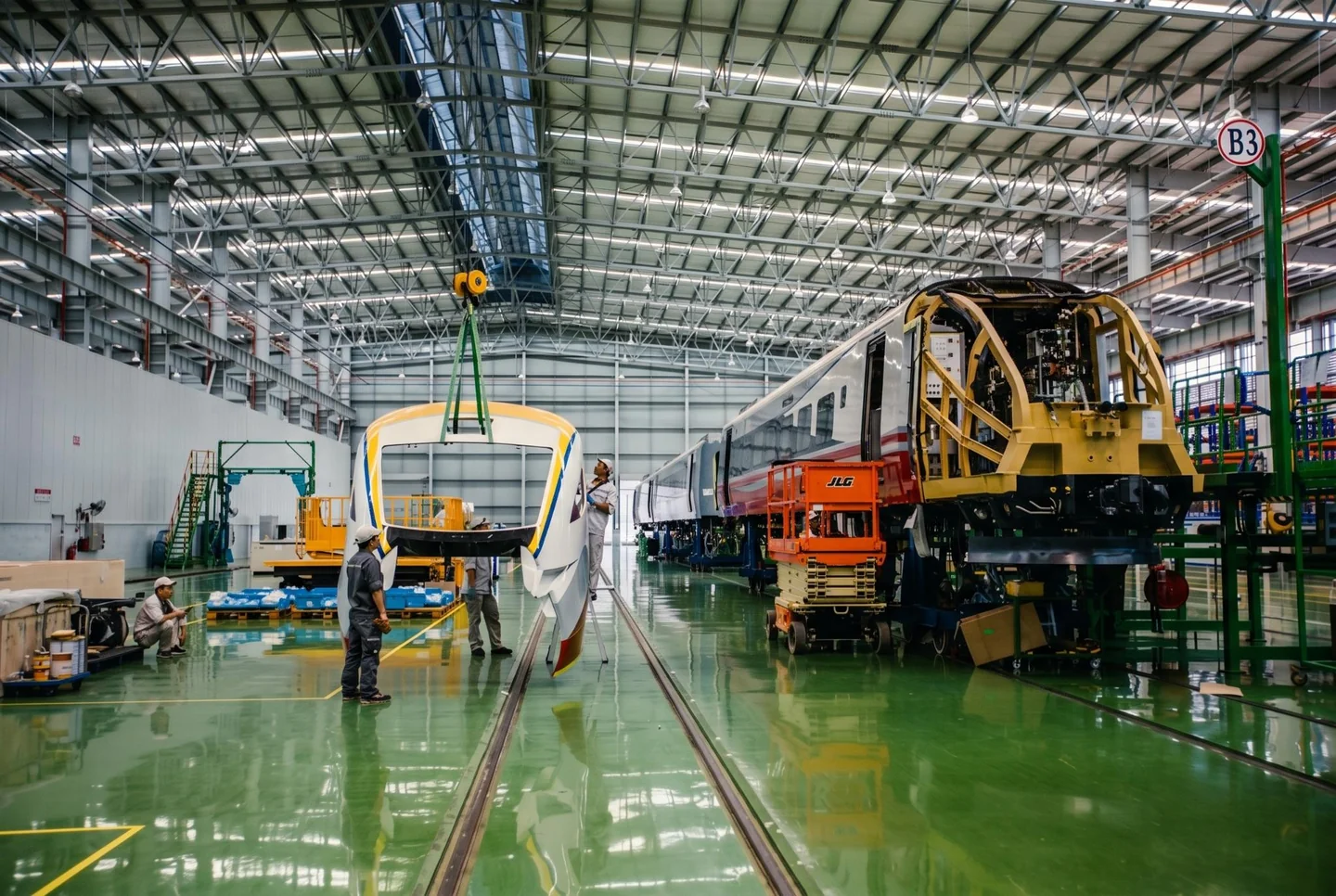
Backed by the OEM expertise, technical capabilities, and global resources of CRRC ZELC, we provide comprehensive MRO solutions for a wide range of rolling stock and rail systems.
Our services cover the full spectrum of maintenance activities, from routine maintenance and overhauls to integrated maintenance management and lifecycle support, helping operators maximise fleet availability, enhance reliability, and optimise asset performance throughout the operational lifecycle.
With an established presence in Malaysia, we deliver responsive and tailored maintenance solutions that meet the evolving needs of railway operators and asset owners.
-
1
Preventive and corrective maintenance
-
2
Overhaul and refurbishment
-
3
Maintenance management
-
4
Engineering and technical support
-
5
Obsolescence management
Maintenance Solutions
Leveraging years of hands-on experience and continuous optimisation in railway maintenance, we have established a systematic and intelligent maintenance framework to support data-driven maintenance decision-making and lifecycle asset management.
The D3M (Data-Driven Maintenance Decision-Making) methodology integrates operational data, advanced analytics, and optimised maintenance execution through a closed-loop process of data acquisition, analysis, decision-making, execution, and feedback. The framework enhances maintenance efficiency, improves asset reliability, and reduces lifecycle costs.
The Data Layer focuses on the collection, integration, and management of multi-source data, including operational data, condition monitoring data, and maintenance records.
It establishes a reliable and standardised data foundation through the Maintenance Management Information System (MMIS) and SAP to support subsequent analysis and decision-making.
The proprietary MMIS platform standardises and governs frontline maintenance execution through a centralised and fully traceable digital environment, replacing conventional manual record-keeping while ensuring accurate documentation of all maintenance activities and inspections. SAP supports enterprise-level resource planning, asset lifecycle management, and cross-functional data integration across operational and maintenance domains.
The Analytics Layer processes and analyses operational and maintenance data to identify anomalies, assess equipment health, and predict potential failures.
Advanced analytics, predictive models, and reliability engineering methodologies are applied to transform raw data into actionable insights for maintenance optimisation.
By leveraging data-driven analysis and engineering expertise, the Analytics Layer helps identify degradation patterns, emerging fault trends, and potential failure risks that may not be readily detectable through conventional maintenance practices. These insights support proactive maintenance planning, improved asset reliability, and enhanced lifecycle performance.
The Decision Layer generates optimised maintenance strategies based on analytical results.
It supports intelligent maintenance decision-making through risk evaluation, maintenance prioritisation, resource optimisation, and maintenance planning.
By providing enhanced operational visibility and engineering insights, the Decision Layer enables maintenance teams to make informed decisions, improve planning effectiveness, and align maintenance activities with operational requirements and asset performance objectives.
The Execution Layer ensures the effective implementation of maintenance activities, including work order management, inspection, professional repair, and Line Replaceable Unit (LRU) / Shop Replaceable Unit (SRU) replacement.
It ensures quality, safety, and operational compliance throughout maintenance execution.
Through standardised maintenance procedures, quality assurance controls, and safety management practices, maintenance activities are carried out efficiently and consistently to maximise fleet availability, reliability, and operational performance.
The Feedback Layer continuously evaluates maintenance effectiveness through KPI monitoring and performance assessment mechanisms.
Performance outcomes, maintenance findings, and operational insights are continuously incorporated into the maintenance framework to support data enhancement, analytical refinement, strategy optimisation, and execution improvement.
This closed-loop approach drives continuous optimisation and supports ongoing improvements in maintenance effectiveness, asset reliability, and lifecycle performance.
Project Reference
SCS Fleet
Project Period:
2011 – Present
Provision of Level 1 & 2 MRO services for the SCS fleet, supporting long-term fleet reliability and operational performance.
DMU Fleet
Project Period:
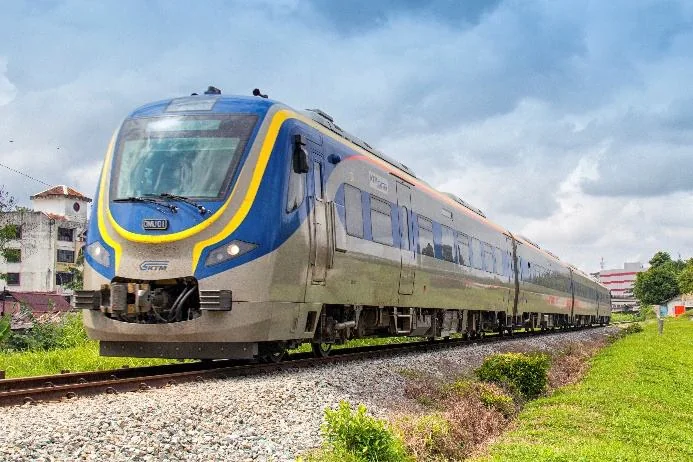
2025 – Present
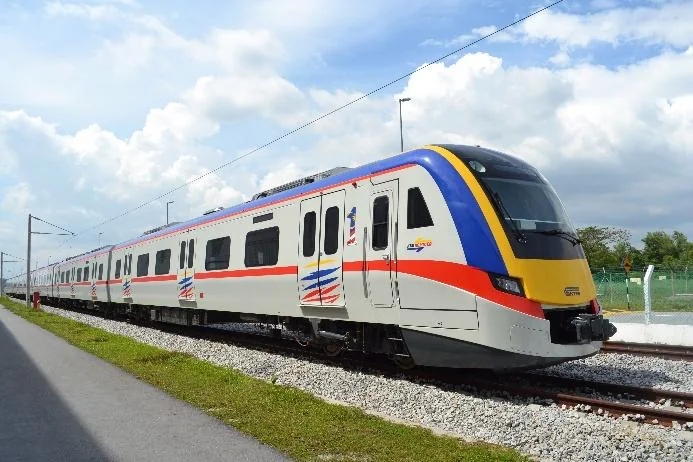
Provision of Level 3 MRO services for the DMU fleet, demonstrating capabilities in heavy maintenance and overhaul for diesel multiple units.
Ampang LRV
Project Period:
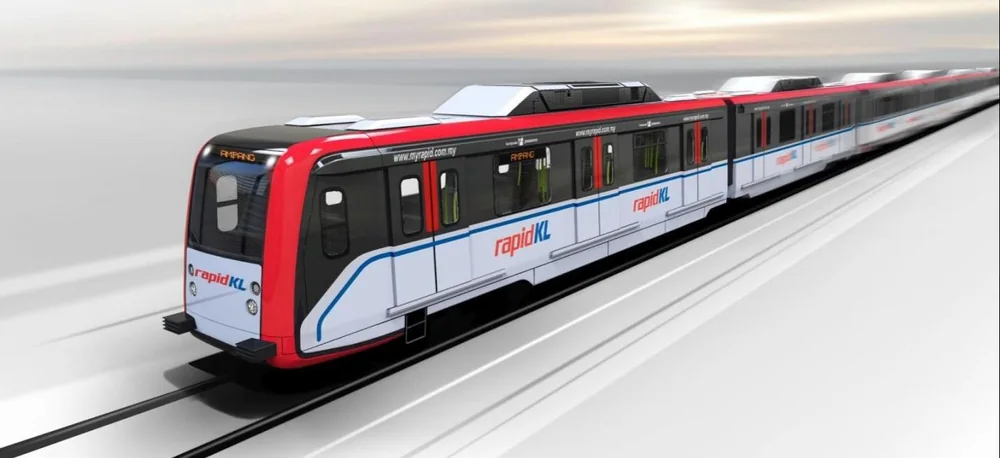
2016 – 2020
Provision of Level 1 & 2 MRO services for the Ampang Line LRVs, supporting daily fleet operations and service reliability.
Parts Supply
Solutions
Supported by the OEM expertise and supply chain network of CRRC ZELC, we provide comprehensive spare parts solutions for rolling stock fleets and rail systems, covering parts supply, replacement, repair, refurbishment, and major component overhaul.
Our solutions are designed to support fleet reliability and lifecycle performance, helping operators reduce downtime, improve maintenance efficiency, and extend asset service life.
Key Parts Supply
Capabilities
- 1Spare parts supply and replacement
- 2Component repair and refurbishment
- 3Major component overhaul
- 4Parts inspection and testing
- 5Lifecycle spare parts support
- 6Technical and logistics support